Image
  • Home
  • Contact

NO LIVE-STREAMING OF VIDEO OF EXTREMELY IMPORTANT BUDGET WORKSHOP ON TUESDAY FEBRUARY 13; COMMUNITY COLLEGE ENJOYING AN ALMOST TOTAL INFORMATION BLACKOUT SINCE BEGINNING OF JANUARY

By R. Oliphant
Friday, February 16th, 2024

President Rhine shows who is “boss” of College Governing Board by dragging her feet following January 16 meeting where Board voted 4-1 to begin live streaming all of its meetings as soon as possible
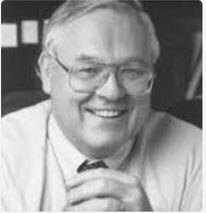
Editor: Robert E. Oliphant

Editorial: The Yavapai Community College Governing Board claims as its single employee, Dr. Lisa Rhine, the institution’s President. However, it has become increasingly suspect that Dr. Rhine is less than enthusiastic about adhering to Board decisions, especially when those may conflict with her personal views or those of the College executives.

In a concerning turn of events, Dr. Rhine has emerged as a formidable opponent for making video recordings of Governing Board meetings readily and easily accessible to the public. For example, following the January 16 meeting, she used her personal email to lobby Board members against making the video of that meeting readily available to the public. Her lobbying resulted in a dramatic change in the decade-long practice of openness practiced by the Governing Board. In the past, the Board posted  a videotape of Board meetings to its website two or three days after they occurred. That practice was stopped in January by Dr. Rhine!

The Community College President’s decision to alter public access to the videotape of Board proceedings suggests a deep-seated fear of  accountability. Videos may, for example,  provoke serious public scrutiny into the allocation throughout the County of the College’s substantial budget, which now exceeds more than a hundred million dollars.

Dr. Rhine may also be  especially keen to avoid taxpayer inquiries into the expenditure of public funds on a county-wide scale in areas such as land purchase and new or renovated facility construction. Blocking easy access to the videotape of Board meetings and not posting draft minutes on the Board’s website helps serve this objective.

This aversion to transparency was exemplified by the institution of a new policy regarding any Board meetings.  There will no longer be a post on the Governing Board’s website of a draft of the Board’s written minutes or a videotape of the proceeding shortly after the meeting.

The procedure instituted by Dr. Rhine to prevent the public from gaining information that once was readily available to the public is clumsy: She created a lengthy process of obtaining information about a meeting only by first making a formal written Public Document request in accordance with state law. A resident must complete the request on the College’s form and then send it to the correct College address. After that it will be sent to an unknown person for review and possible action.

The determination President Rhine has about keeping information from the public is also exemplified by her foot-dragging on implementing the Governing Board’s decision to live-stream all Board meetings. Recall the Board voted at its January 16 meeting to have all meetings streamed.  However, there was no live-streaming of the February 13 workshop.

It is noteworthy that the February 13 workshop session was one of the most important yearly Board meetings for County taxpayers. The reason is that priorities, assumptions, and other matters related to the College’s hundred million dollar budget are discussed in great detail at this session.

President Rhine’s  attack on transparency has, at best,  forced County residents into a convoluted maze of bureaucratic procedures to access basic information about their Community College and how and where their property taxes are being spent. This undermines the principles of open governance and places an undue burden on residents seeking simple insight into public affairs.

Why should residents face such obstacles when attempting to obtain information from a public education institution when it is so easily and readily available? This conduct establishes a troubling precedent, particularly for students, unless they wish to emulate authoritarian leadership styles. For taxpayers within Yavapai County, it leaves them in ignorance regarding the inner workings of their community College and how and where their money is being spent.

Categories : Editorials/Essays