2,200 Arizona student borrowers may receive $54 million in debt relief; 12,400 will receive over $3.3 million in restitution
 The Arizona Attorney General’s office announced January 20, 2022 that thousands of Arizona student borrowers are expected to receive over $54 million in debt relief because of the settlement of an eight-year-old lawsuit with Navient. Navient, once called Sallie Mae, was alleged to have used unfair, predatory, and deceptive student loan servicing practices. Navient has denied the allegations.
It is also anticipated that 12,400 Arizonans will receive over $3.3 million in restitution under the proposed court settlement, according to Arizona’s Attorney General’s office.
In a statement, Arizona Attorney General Mark Brnovich said that “It’s disappointing how Navient took advantage of distressed loan borrowers who were simply trying to get an education to better their lives.”
Navient is one of the nation’s largest loan services and the settlement still needs court approval.
Of particular interest to Arizona, because is has so many for-profit schools, is the claim that Navient provided predatory subprime private loans to students at these schools with low graduation rate while knowing many of those borrowers could not replay them.

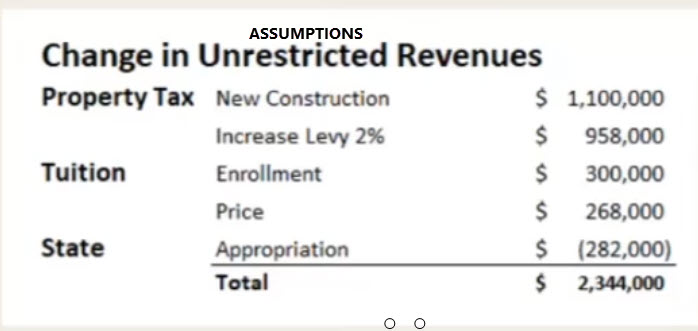
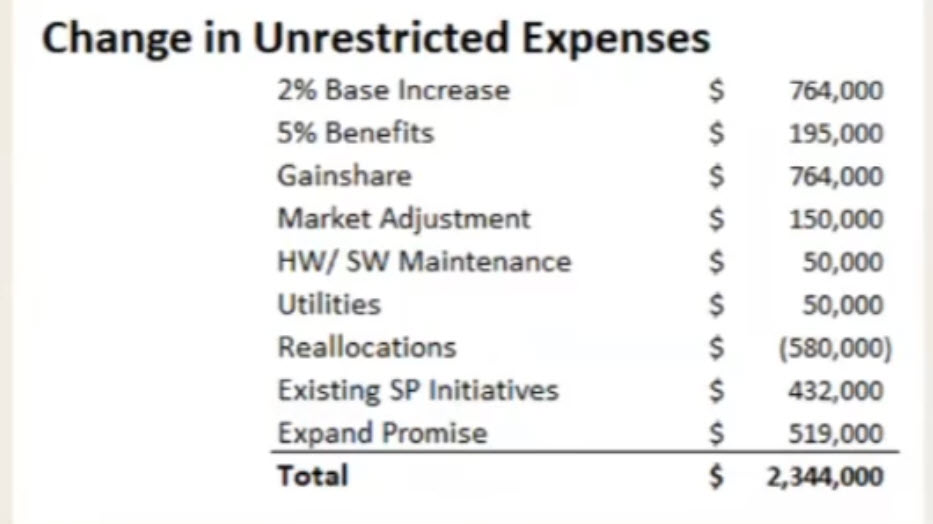
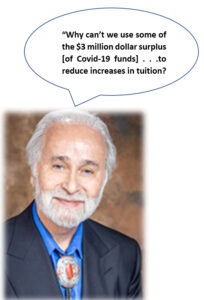 Mr. Chevalier argued that unless there were restrictions on the use of the approximate $3 million of “surplus” unspent Covid-19 Federal relief funds now in the College’s hands, a portion of that money should be applied to the budget rather than increase tuition for 2022-2023. The Administration responded to Mr. Chevalier asserting that it was not certain about whether a portion of the $3 million could be used to cover the tuition increase. Moreover, it felt it was a bad idea to use one-time excess funds to cover annual operating costs.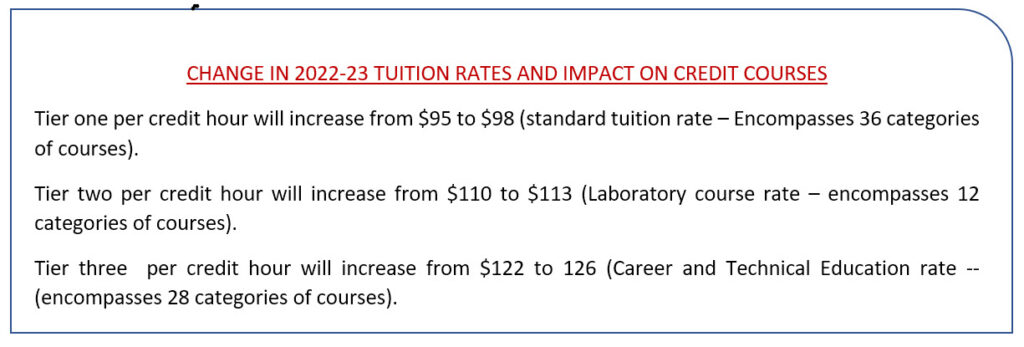
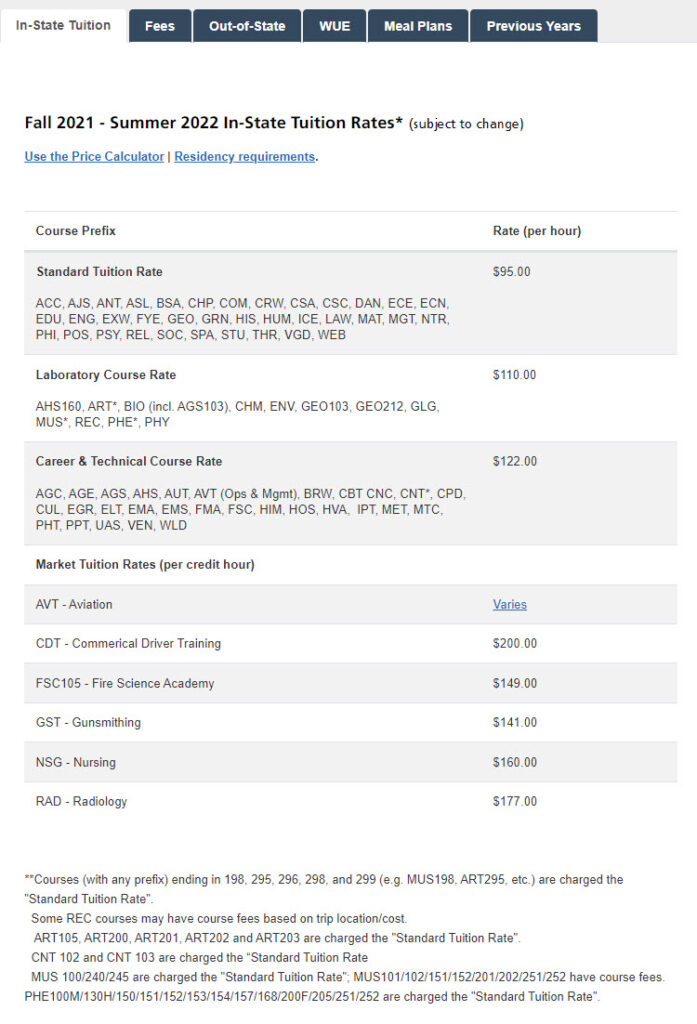
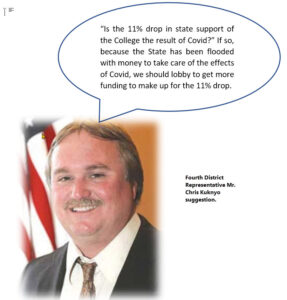
 Arizona’s Attorney General sued the Arizona Board of Regents in September 2017, alleging the regents had disregarded a constitutional provision that requires state universities to be as close to free as possible. According to the lawsuit, over a 15-year-period the regents had raised tuition from about $2,600 a year to as much as $12,228 a year for in-state students.
 Yavapai Community College will not increase student tuition for the 2022 fiscal year. It also anticipates not asking for a County tax levy increase in the 2022 fiscal year. This information came from Vice President Clint Ewell at the October Governing Board hearing when the question of tuition for the 2022 fiscal year was discussed and voted upon. The Governing Board approved his recommendation that tuition not be increased.
  Arizona State University announced Friday, July 10 that it will begin to award from $500 to $6,000 of the $32 million it received from the government as direct aid to students. The funds came from the CARES Act.
 The Maricopa Community College Governing Board at its meeting on Tuesday, June 9 rejected a proposal that would have reduced tuition for the fall and spring semesters by 25%. Rather, it approved a flat tuition rate of $1020 for Arizona residents taking 12 credits or more per semester. In addition, it approved allowing out-of-state students to pay the in-state tuition rate if they sign up to take six or fewer credit hours per semester.
 A story appearing in the April 21 Camp Verde Bugle written by reporter Bill Helm featured Celeena Johnson. She is a student at Yavapai Community College who was named as a 2020 Gold Scholar for the Coca-Cola Academic Team. (Also see Blog story of Sunday, April 19.)
 A must read is Sedona Red Rock newspaper reporter Alexandra Wittenberg’s February 14 story about ten Sedona Red Rock High School ninth graders already starting Yavapai Community College. She describes a new Early College Program launched January 6 at the high school that will allow 10 students to complete all 34 credits from Yavapai College needed to obtain an Associate’s degree. They will accomplish this while obtaining enough high school credits for high school graduation.