
Says East-County has been deprived of any board leadership position for at least 12 years; laments treatment of McCasland
 Third District Yavapai Community College Governing Board representative Paul Chevalier expressed his concern about the failure of the West-County Board members to seek a consensus with East-County members on important issues at the February Board meeting. Or, sharing leadership positions of any kind with members representing the east side of the County for at least the last twelve years.
After evaluating his first session with the full Board, he made the following written comments that are included as a part of the February Board agenda.
“I have observed the Board since 2014. I have not seen the Board being engaged in any strategic thinking OR in-depth future planning at Board meetings.
“With regard to collective decision making, the west side Board leadership makes little or no effort to get consensus with the east side representatives (at least since 2014 to present).
“Board Leadership: There has not been a Chair or Secretary of the YCGB coming from the east side in 12 years. The Board majority (the three west side representatives) does not share Board leadership with the east side representatives, unlike our County Board of Supervisors that rotate the chair and secretary positions every year. The east side representatives have been shut out for twelve years!
“Last month I nominated Deb McCasland (who represents part of Verde Valley and is in her 5th year on the Board)) for secretary and all three westside representatives declined to vote for her. We continue with a chair and a secretary from the west side. The west side representatives unwillingness to share Board leadership with east side representatives contributes to making us a divided Board.
“I hope for change.”
Kudos to Mr. Chevalier!
 The Yavapai Community College District Governing Board unanimously approved three scholarship proposals at its Tuesday, February 12 meeting. The new scholarships will become available for the fall 2019 semester.
 As noted in earlier blog notes, Building L on the Verde Campus has been renovated, remodeled, and otherwise revamped for a variety of purposes since 2004. It is the Rodney Dangerfield of College buildings. Here we go again.
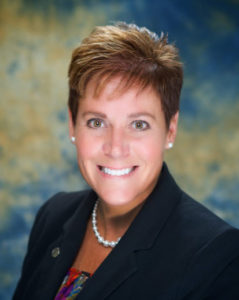 About 90 persons gathered at Yavapai College’s 2019 Economic Leadership Summit, held Tuesday, February 5, at the Prescott Club at Stoneridge. “Today is about starting a conversation,” said Yavapai College’s president, Dr. Lisa Rhine. We’re here today to begin the process of working, thinking and acting together – for the good of the economy and the citizens who call Yavapai County home.”
 The Yavapai Community College Governing Board will hold its monthly general meeting on Tuesday, February 12, 2019. It will take place on the Prescott Campus at the Rock House.
 Anyone familiar with how the College Governing Board has operated in the past can only scratch their head at how it so easily trashed student institutional scholarships in favor of a $103.5 million dollar ten-year plan to essentially rebuild the campus and centers on the west side of the County.
 Yavapai Community College annually places about $800,000 in a fund to support what are described as “institutional scholarships.” However, it appears there is not a fair opportunity for all students to apply and be selected for one of these scholarships.
 Yavapai Community College has increased its base tuition in each of the last ten years in some form. The tuition increase has been at least twice the annual inflation rate each year.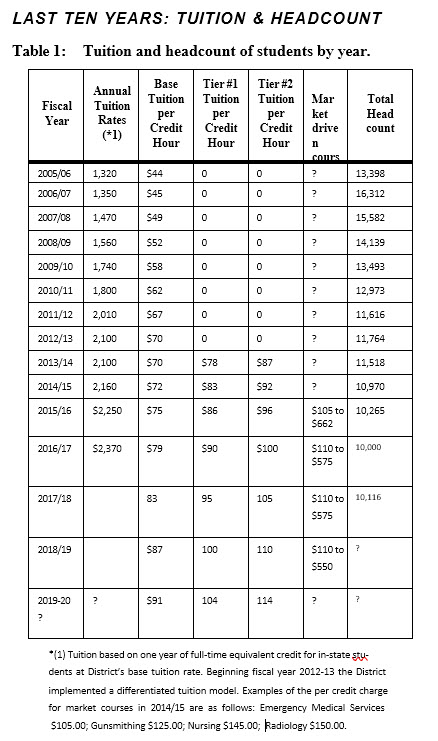
 Yavapai Community College has a wonderful child care program at the Dell Web Family Enrichment Center on the Prescott Campus. As a part of that program, students and staff receive subsidized (discounted) charges for child care from Yavapai College. The discounts are shown on the chart below, which was copied directly from the College web site.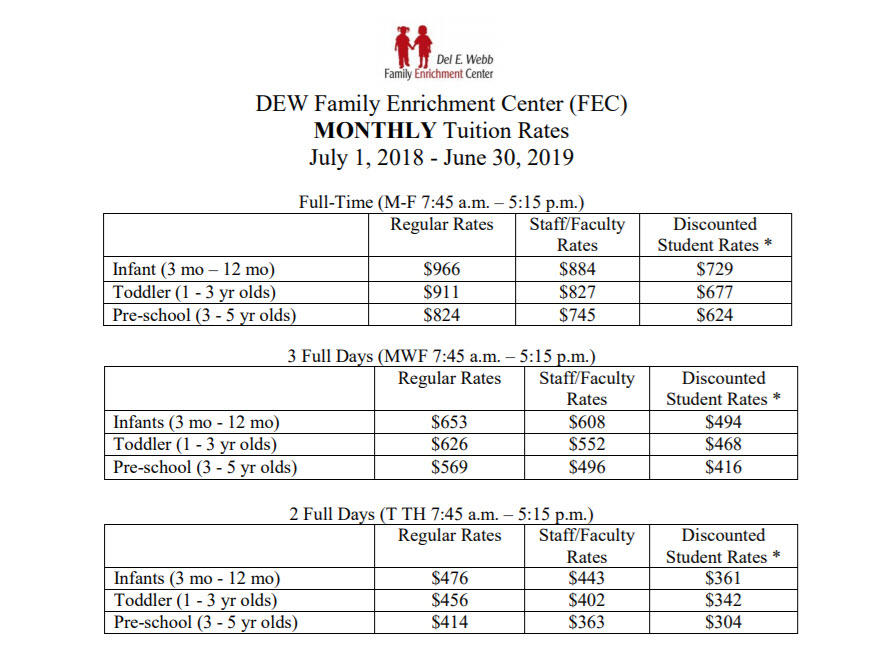
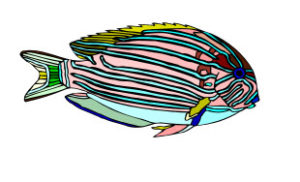 avapai Community College aquaculture science students at the Chino Valley Center are raising and studying razorback suckers, humpback chub and bonytail chub. All three are native to Arizona waterways and endangered because of the passive introduction of non-native fish and other environmental hazards. The fish began arriving at the Center in November 2018.