Could raise rate by 18 percent but most likely will ask for four or five percent increase
 Yavapai Community College notified the District Governing Board at its October meeting that it will be seeking a primary property tax rate increase in May of 2023. It said that it needs more operating revenue and the only available source appears at present to be Yavapai County primary property taxpayers.
The College noted during its discussion with the Governing Board that it has not asked for a primary tax rate increase for four years. Typically, it asks for an increase every three years. Each year, when the College does not increase the property tax as allowed by law, the amount not used is carried forward. Thus, the reason for the 18 percent increase available, which the College has said it would never use.
The primary tax rate for the Community College can be raised by a majority of the five member Governing Board voting for it. While citizens will be given an opportunity to express their opinion about the tax rate increase at the spring budget adoption meeting, which is usually in May or June, they do not have a veto over it.
Most speculate that the College will ask around a four or five percent tax rate increase. But much may change between now and May 2023.
 We are all warned about careless handling of email. We know that caution must be exercised about what and how we say things in emails because it is so easy to accidentally send one to a person we didn’t intend to receive it. What happens when you make that mistake is illustrated by the mess Yavapai Community College Vice President Rodney Jenkins finds himself in.

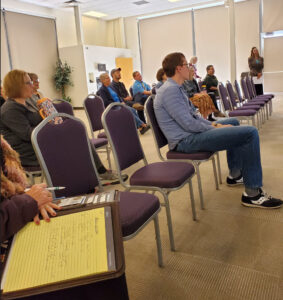 The Tuesday meeting was poorly advertised by the Yavapai Community College to east side residents. Moreover, residents are aware that whoever is chosen will have little or no actual decision making authority in the development and operation of the College on the east side of the County. All decision-making is tightly controlled by the Prescott based executives who operate from their headquarters on the Prescott Campus.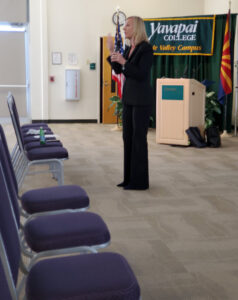


 Tuition and fees are one of the sources for paying off revenue bonds that are issued without taxpayer approval. These bonds, for example, were used to help finance renovation of student housing on the Prescott Campus.
 collected primarily from veterans who the Blog has been led to believe make up more than a majority of students taking the training.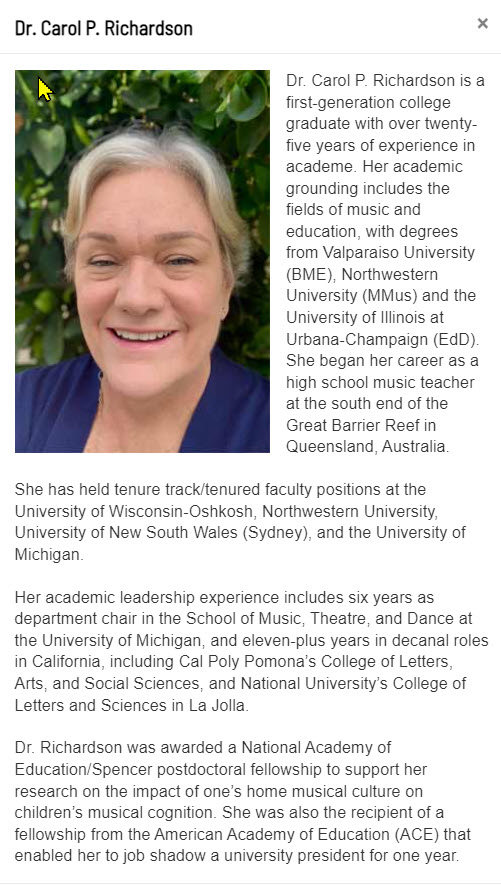

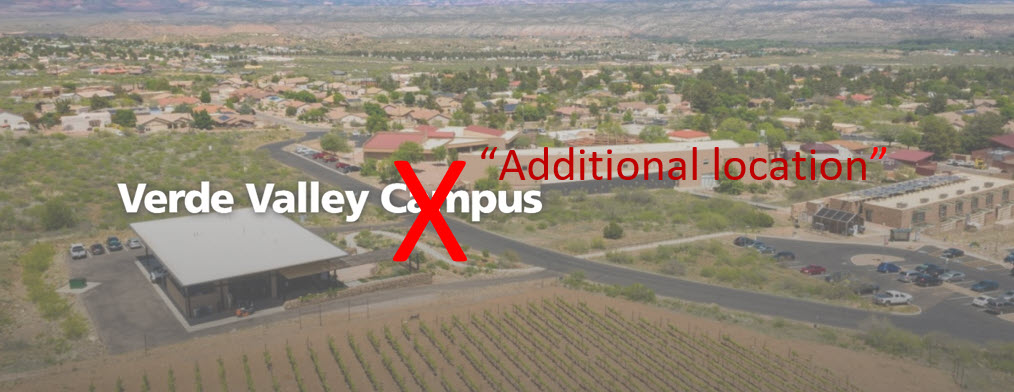 Recall that the Blog informed its readers in a story September 1 on the fact that after 50 years, the Verde Campus will no longer be considered a branch campus of Yavapai Community College. It is an “additional location.” The change in designation was brought about by a new definition of a “campus” or “branch campus” by the Federal Department of Education.