Decision means schools, colleges and cities can continue to mandate face masks or other COVID protocols – at least for the time being
 On November 2, 2021, the Arizona Supreme Court, after only two hours of deliberation, found that several provisions of the 2022 state budget, including a controversial ban on face mask mandates in K-12 schools, violate a provision of the state constitution requiring individual bills to encompass a single subject.
To the surprise of many, the justices unanimously upheld a trial court ruling that several of the budget bills violated a section of the Arizona Constitution known as the “single-subject rule.” That rule mandates that legislation embrace “one general subject” and that the subject be clear in the title of the bill.
Among a long list of provisions in the bill struck down, some barred school districts and charter schools from imposing face mask requirements to curb the spread of COVID-19, prohibited the teaching of “critical race theory” in K-12 schools, barred colleges and universities from requiring COVID vaccines or testing of students, and prohibited cities and counties from requiring people to show “vaccine passports.” They are now all blocked.
When the legislature will reconvene to reconsider the bills is not yet known. It may well reinstitute the bans at a future date, after following proper protocol for bill drafting.
 It was reported by the Arizona Republic newspaper and other media on November 1, 2021 that two nursing students have sued Maricopa Community Colleges over a requirement they get vaccinated against COVID-19. They claim the community college district is violating their free exercise of religion by not helping them to graduate as scheduled or providing preferred accommodations since they are refusing to get vaccinated for religious reasons.


 Classes being offered for spring 2022 semester at the Career and Technical Education Center on the Verde Valley campus are already full or filling. Basic Carpentry II and Basic Residential Plumbing courses were filled almost as soon as the Community College published the list of available courses being offered in the spring 2022 session. The Basic Residential Plumbing course has only three seats left.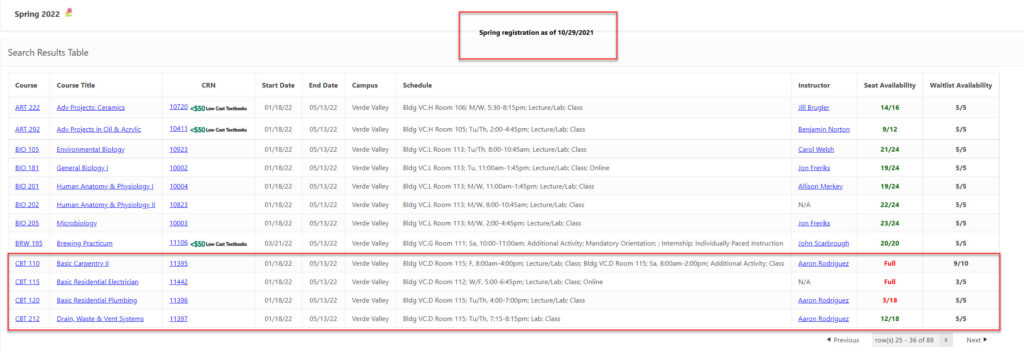
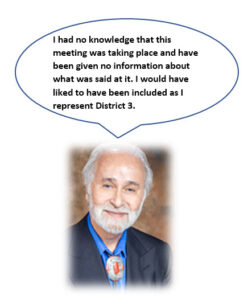 Community College President Dr. Lisa Rhine, Yavapai Community College Vice President of Community Relations and Student Development, Rodney Jenkins; Governing Board Chair Deb McCasland; Richard Hernandez, Director of the Regional Economic Development Center; representation from the Verde Valley Regional Economic Organization; and representation from the Clayton Company were all in attendance.
  Every eight years the nursing program at Yavapai Community College is evaluated for reaccreditation by the Accreditation Commission for Education in Nursing (ACEN) The ACEN is recognized by the United States Department of Education (USDE) as a specialized accrediting agency. It is also recognized by the Council for Higher Education Accreditation (CHEA).
 The list of persons attending the meeting included: Clarkdale mayor Robyn Prud’homme-Bauer; Yavapai Community College President Dr. Lisa Rhine, Yavapai Community College Vice President of Community Relations and Student Development, Rodney Jenkins; Governing Board Chair Deb McCasland; Richard Hernandez, Director of the Regional Economic Development Center; representation from the Verde Valley Regional Economic Organization; and representation from the Clayton Company.
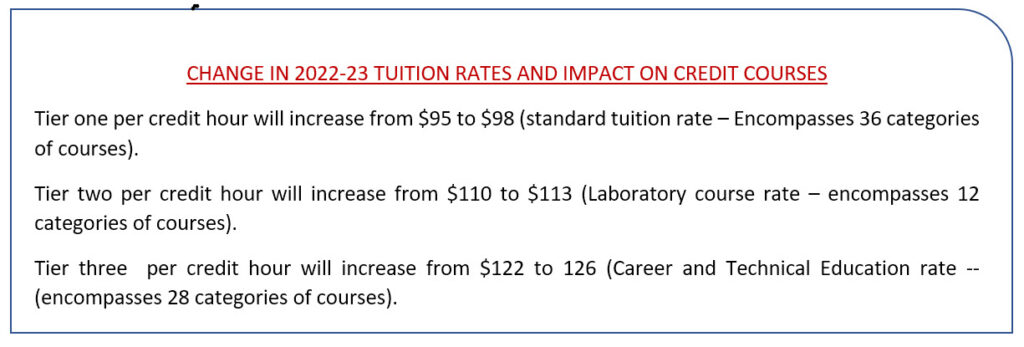
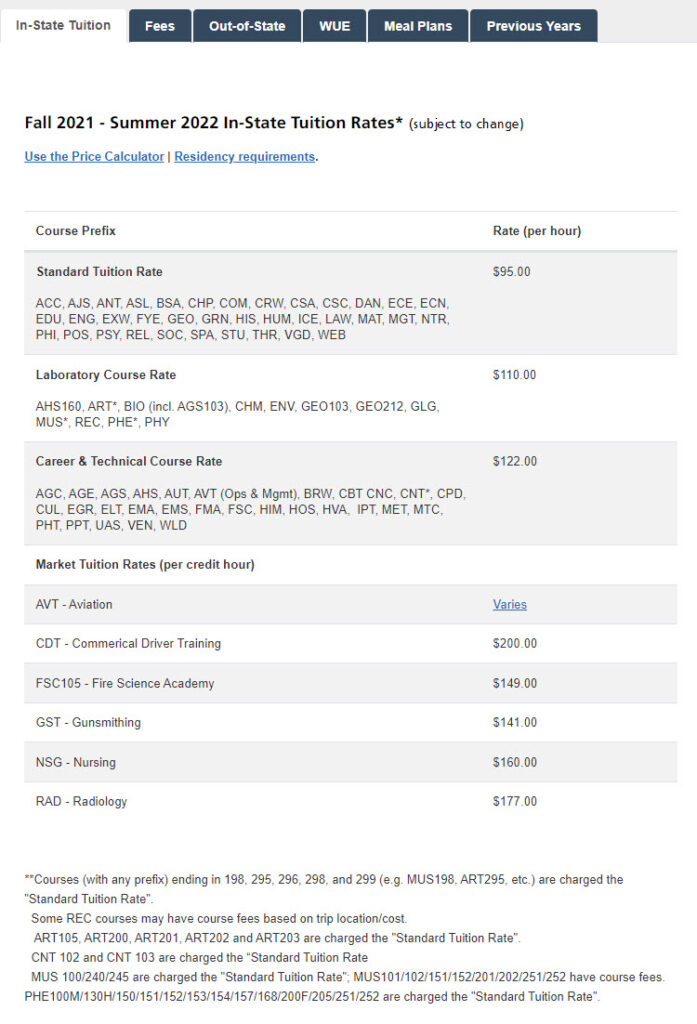
 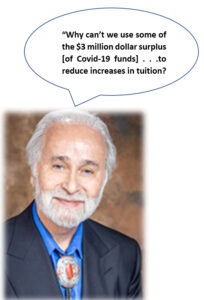 Mr. Chevalier argued that unless there were restrictions on the use of the approximate $3 million of “surplus” unspent Covid-19 Federal relief funds now in the College’s hands, a portion of that money should be applied to the budget rather than increase tuition for 2022-2023. The Administration responded to Mr. Chevalier asserting that it was not certain about whether a portion of the $3 million could be used to cover the tuition increase. Moreover, it felt it was a bad idea to use one-time excess funds to cover annual operating costs.